The West Side of Death Valley, December 10

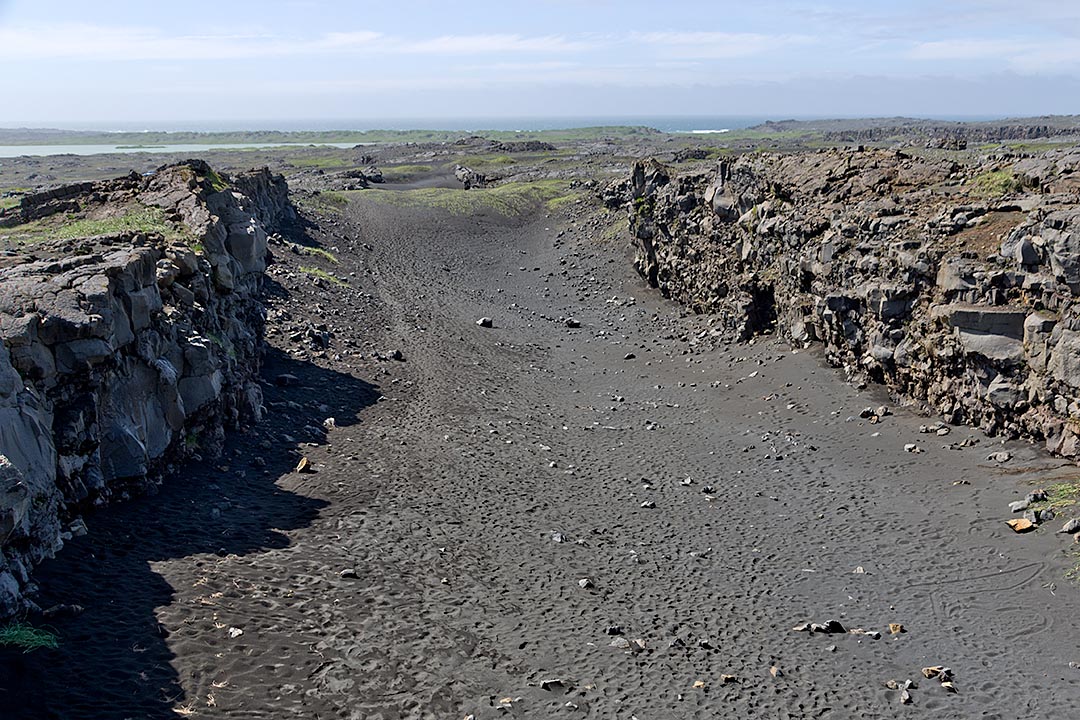
Aguereberry Point, Death Valley National Park

This is our last day in the park as tomorrow morning we start on the long trip home for Christmas.  We travelled to the west side today.

Our first stops of the morning were to photograph the Devil’s Cornfield and the Mesquite Dunes.  The cornfield is a lot of approximately 1 meter tall plants, widely spaced, that do look a bit like corn plants at a distance.  Mostly though it is just a lot of sand.  We walked just a short distance into the dunes, but saw some interesting tracks.  A park ranger was there preparing for a walk and talk, and she had cards with her showing the footprints.  One of the more interesting tracks is left by a large stink beetle.

We then drove up the Emigrant Canyon road, all the way to the charcoal kilns.  The last few kilometers of this road is rough gravel.  We’d expected to see a few small mounds of dirt used to make charcoal.  We were very surprised to find a large number of tall stone “beehive” shaped kilns, at least 25 feet high and 30 feet in diameter.  They were used in the late 1870’s to make charcoal for a smelter about 60 kilometers to the west of here.  Each kiln had a door at ground level, and numerous vents around the lower perimeter.  Then there was a door about two thirds of the way up, and a number of vents in the top that seemed to be plugged with jagged stones.

From here we drove to Aguereberry point, a high rocky viewpoint with a spectacular view out over Death Valley from a height of almost 2000 metres.  The road was a narrow twisting gravel road, barely big enough for one vehicle.  If you met another vehicle at many of the turns, one of you would have to back up and find a place to let the other vehicle by.  Fortunately we met no one either going up or down.  The last 400 metres are a very steep and narrow trail, not much wider than a footpath, with shear drops off the side.  I felt a bit intimidated driving on the road.

Finally we stopped at an old abandoned gold mine ruins, and the ruins of an old house, and that concluded our travels around the park.  We filled up with gas here tonight so we are ready to leave first thing in the morning.  At five dollars per gallon (almost two dollars per gallon more than we’ve been paying) it cost us $100 to drive around for the last three days, but the views have been well worth it.

Posted in Going South, 2011 | Comments Off

Scotty’s Castle, December 9

Scotty's Castle, Death Valley National Park

This morning we drove about 100 km north of our campsite here in Furnace Creek to Scotty’s Castle.  This is a large personal retreat complex built by wealthy financiers Albert and Bessie Johnson of Chicago, together with their “partner in crime” Walter “Scotty” Scott, between about 1922 and 1931.  Scotty was really a con man, telling everyone that the he was building a castle over his gold mine.  However, there never was a mine and the castle wasn’t his either.

For the first hour of the tour we were guided by a young lady in 1939 period costume, who took us throughout the upper portion of the castle.  We saw several of the rooms outfitted with the Johnson’s original furniture.  The furniture was beautiful, but hard to see as it was kept very dark in the house.  However it shows up well in the pictures we took.  There was an incredible amount of ceramic tile throughout the house.  Much of the tile was custom designed for them as it had their logo on a lot of the tiles.  The dishes were similarly marked with their initials.  There was a great deal of silverware and other fancy furnishings throughout the house.

The house and building complex must have cost a very large amount of money, for it incorporated all the latest technology of the day, such as solar heated water, refrigerator, and their own hydro-electrical generating plant based on a Pelton water wheel.  In the second part of the tour we got to see under the castle, and got a good view of how the technology was incorporated into a tunnel system connecting the buildings.  In 1931 construction was abandoned, we suspect because the Johnson’s had lost a great deal of money in the depression; however the circulated story is that they were in a conflict with the federal government over their land boundary.  Supposedly they had built the house on land that was mis-surveyed, and their true parcel was over two kilometers away.  This land claim was not settled until 1937, and construction that had stopped was never restarted.

Because the construction was abandoned, one of the most obvious uncompleted features is a huge swimming pool.  It would have had two pools – one a shallower swimming pool at least 20 metres long, and another deep diving tank, about the same length and at least three or four metres deep.  The walls of the pool are in place, but the floor was never poured.  On the basement tour we saw stacks of tiles that were to have been used for the walls of the pool, but never installed.

Mesquite Sand Dunes, Death Valley National Park

After this morning at the castle showing how these wealthy people interacted with their environment in the 1920’s, we got back to our visit to the natural environment of Death Valley.  We drove to Ubahebe crater, which is a steam and magma explosion crater, believed to be only about 2000 years old.  Then we drove in to the end of Titus Canyon.  It looks like it would be an interesting drive as the narrow one-way single lane gravel road winds around for thirty kilometers through the rocks of the canyon.  We walked up the road, but only for about 500 metres.  Finally we finished the day with a short interpretive hike at Salt Creek.  It is the most water we have seen in Death Valley, a small stream about a meter wide and maybe 10 cm deep – and very salty judging from the salt crystals in the mud of the stream.  The stream flows out into the salt flats north of Furnace Creek, to the area where they mined borax in the late 1890’s.

Posted in Going South, 2011 | Comments Off

Death Valley, December 8

Enid at salt deposits, Devil's Golf Course, Death Valley Nationa

Death Valley is stunningly beautiful.  Strangely it is a land shaped by water, yet water hardly exists within it.  The valley floor is mostly the remains of old and dessicated lakes, while the surrounding rugged mountains are sculpted into crags and eroded valleys by occasional but rare floods of water.  Over thousands of years they have left their marks.   With almost no intervening water erosion, the scars left by water in the past stand out everywhere.

There are almost no plants, except for the occasional salt tolerant bush like Desert Holly.  The ground looks like the aftermath of some gigantic fire, yet there is almost nothing here that would burn.

This morning we were amongst the first, if not the first visitors to the historical ruins of the Harmony Borax Works.  Here there is a short interpretive trail around the old 20 mule team carts, the boilers and troughs where the borax was crudely refined, and remnants of old buildings.  We drove out on the Mustard Canyon road, aptly named for the yellow coloured dirt that makes up the walls.

We drove south towards Badwater, stopping along the way at the Devil’s Golf Course.  Here at the northern end of Badwater Lake are very rough and rugged salt deposits.  It looked like dirty river ice that has just broken up and piled along the shores.  We kept repeating that it looked like it should be cold and slippery, but it wasn’t of course.  It was very hard and jagged and tough to walk over.

Artist pallette, Death Valley National Park

At Badwater there is a very small amount of open water with salt crystals floating in it.  The small pond of water reflected the high rock walls of the mountains on the east side.  Almost a hundred meters over head is a sign that reads “Sea Level”.  This is the lowest place in North America.  We walked out for at least a kilometer onto the salt pan.  So many people have walked on the salt that the crystalline structure is flattened out, until you get a  long way out onto the dry lakebed where you can see the ridges the salt crystals have formed.  Once again we commented that it looked like dirty ice, and we expected it to be slippery.  It wasn’t.

We ate lunch, then hiked in about 2 kilometers to the Natural Bridge.  Next we drove the Artist’s Drive road,  a one way paved road for several miles that rises up to beautifully colored rocks – chocolate browns, reds, greens and yellows.  One point called the Artist’s Pallette is particularly spectacular with bright colors.

By now we had walked quite a bit, mostly just short walks of a kilometer or so, but enough that we were both tired.  However we decided to go on one more hike into Golden Canyon.  It was about 4 kilometers return, and rose almost one hundred meters, but it seemed like an easy walk.  It was worthwhile, as the rock walls of the canyon were carved into many stunning shapes, and golden colored in the late afternoon sunlight.  The grade was not too steep, in fact, it used to be a paved road, but it washed out in a flash flood in 1976.  Remnants of the pavement existed in a few spots.  It reinforced how much of a role water has played in shaping this arid desert.

Posted in Going South, 2011 | Comments Off

Arriving at Death Valley, December 7

Joshua Trees along Nevada highway 164 west of Searchlight

We were up fairly early this morning, had a quick shower in the public campground shower, and it was very cold as we walked back to the trailer with wet hair.  We saw why when we were disconnecting the water to leave, as there was ice on the water hose, so it was below freezing this morning.

We had a good trip across the Mohave Desert, through Needles, then north to Searchlight.  The GPS wanted us to keep going north to Las Vegas; however we didn’t want to go that way so instead drove across state highway 164 towards Nipton, where it joins with I15 (the main freeway between Las Vegas and Los Angeles).  We were glad we went this way, as there were many large Joshua trees along the small state road, and it was not at all busy.  I15 is a different story, as it has 3 lanes in each direction going up (and generally down) all the mountain ranges that you cross.

At Baker we turned north from the freeway, and drove to Death Valley.  It was a pretty drive through the Mojave Desert, with a lot of barren rugged rocky mountains, and white badland hills.  We arrived here in mid-afternoon, got our trailer set up after filling it with water.  That took a long time as the connection to the park water hose leaked, and I couldn’t get it very tight.  There was a large puddle of water on the ground, so it looks like we were not the first campers to have trouble.

Moonrise in Death Valley

Our altitude here in the park is about 60 meters below sea level.  We are on Pacific Standard Time, which meant a very early sunset, just around 4:30.  We haven’t bothered to change our watches, as we will revert back to Mountain Time when we leave on Sunday and enter Nevada.

Posted in Going South, 2011 | Comments Off

London Bridge, December 6

London Bridge, Lake Havasu City

This morning we drove in to Lake Havasu City, to London Bridge.  We walked around the waterfront a bit.  It was very cold and windy, but a bright sun.  There were a few people bundled up against the wind and walking, but mostly the walkway was deserted.  The literature about the history of the bridge implies that the original stones were transported from London to Lake Havasu City, but that isn’t completely true according to Wikipedia.  The bridge is actually a modern concrete structure faced with stones from the original bridge.

Enid at dry waterfall in slot canyon in SARA park, Lake Havasu City

We bought a few groceries, but no fruit since we have to cross into California tomorrow morning and go through a fruit quarantine checkpoint.  Then we drove to SARA park, and hiked in to a slot canyon.  At the point where there is a seven foot dry waterfall, I slid down, but Enid didn’t want to.  It is incredibly slippery rock at that point, much like going down a kid’s slide.  It would be really hard to get back up except that someone has left a weathered rope there.  Enid sat on the rope and held it with her arms so that I could climb back up.

It wasn’t so windy in the canyon, but it was pretty cool except when you were standing in the direct sunlight.


Posted in Going South, 2011 | Comments Off

Hiking at Cattail Cove, December 5

It’s been pretty cold here, at least cold for the Arizona desert, and very windy the past two days.  Yesterday, December 4 we just took it easy, and did some reading, though I went for a short bike ride in the morning.

Lake Havasu on Colorado River, Whyte's Retreat Trail

Today we hiked to Whyte’s Retreat, a boat-in campsite on Lake Havasu which is about 3 kilometers from this campground.  It was cold and windy.  We wore our jackets to break the wind.  Even though it has been cool, it is nice to walk through the desert along the lake.

This afternoon I went for another bike ride.  Part of it was down a wash, which was very soft and hard to peddle, though most of it was along the highway and the road into the campground.  Enid had fun this afternoon as she baked pecan-oatmeal cookies.  They are very good.

Posted in Going South, 2011 | Comments Off

Cattail Cove State Park, December 3

Lake Havasu on the Colorado River

We left the senior citizens home this morning.  Yuma, Arizona, must be populated with a huge number of retirees.  It is wall to wall RV parks, almost every one of them that we saw a “55+” park.

Enid and I are both convinced that we much prefer the type of setting we have in a state or national park, and so we’re happy that will be staying here till Wednesday, and then in Death Valley National Park until we pack up for home on December 11.  We are here in Cattail Cove which is on the shore of Lake Havasu.  We are close to the water, and can see out across the water of the lake to California on the far shore about a kilometer and a half away.

It was quite windy, a cross wind, as we drove up from Yuma this morning.  We got here right at noon, so ate our lunch before we set up the trailer.  Then we went for a short walk along the lake and through the desert.  It is pretty cool here, especially with the wind.  However we didn’t think it was quite cold enough to need the bomber aviator cap one of the park rangers was wearing down by the lake.  Our neighbours, from Nova Scotia, were laughing about it as well, but we did wear our light fleece and jackets on our walk

Posted in Going South, 2011 | Comments Off

Imperial Wildlife Refuge, November 30

Enid on Painted Desert Trail, Imperial Wildlife Refuge

Since the forecast for the rest of the week isn’t very good, we decided to go today to the Imperial Wildlife Refuge on the Colorado River north of Yuma.  It was a really lovely day, sunny, light breeze, and a very comfortable temperature.  We didn’t see a lot of wildlife though, just a few birds (and one racoon) on some of the small backwater lakes and marshes which come off the river.

We hiked around the Painted Desert trail, an easy walk of about 2 kilometers, though it took us quite a while to walk it as I took the video camera with me.  Halfway around we ate lunch just above a wash which had a few green barked paloverde trees and some mesquite.

The road gradually got poorer as we travelled farther north, and we turned around at the last viewpoint, Smoketree point.  Here you can see the actual Colorado, and across to California.

Lettuce fields at Yuma

On the way back to Yuma we stopped at a farm produce stand, and bought some fresh vegetables.  Across the road were large fields of many different kinds of lettuce, in a variety of shades of greens and red.

Finally we stopped at “Martha’s Garden Date Farm” where Enid bought a “small” date shake.  More like a blizzard than a shake, it was also large enough that she hasn’t finished it yet, and it’s stored in the freezer.

Posted in Going South, 2011 | Comments Off

Yuma Territorial Prison, November 29

Yuma Territorial Prison

We went to jail today.  The Yuma Territorial Prison is a state park on the site where this jail used to be until it closed in 1909.  Like all historical jails it showed the kind of treatment that the prisoners got here, which wasn’t too bad compared to what we saw last year at Port Arthur in Australia.

The Colorado River “flows” just below the jail.  Actually it would be more appropriate to say that there is a canal right below the jail.  There isn’t much river water left here (and even less farther down, as the river no longer flows into the ocean), and the river isn’t much bigger than the Little Red in Prince Albert.

After lunch we came back to the trailer, after shopping for a few supplies.  I bought a soldering iron, some wire and some shrink tubing and properly fixed the wiring where it got pinched in the hitch.

Posted in Going South, 2011 | Comments Off

Yuma, November 28

Today we drove to Yuma from Tucson.  We got to our RV Park (Desert Paradise) just after 1 pm and checked in.  Since they have a nice heated pool we went for a swim, and Enid enjoyed the hot tub.  It was a nice warm day as well.

I needed to get an adapter for the cable TV so after swimming went to the office.  I walked back a different way to our trailer and was really surprised when I passed a trailer with a sign “Ken Haugen, Prince Albert” on the front.  Since Ken and I taught together at Carlton years ago (he retired in 1996), I knocked on their door, but they weren’t home.   However, later on in the afternoon I saw that their truck was there, and so walked over and we visited for a couple of hours.  It is quite a coincidence that we are parked so close.  Had they been in the same park, but farther away (since there are 250 sites here) we would never have run across them.

Posted in Going South, 2011 | Comments Off